
Essential sewing tools: What you really need to get started
Starting sewing doesn’t require a full studio. Discover the essential sewing tools beginners really need, plus tips on choosing practical tools without overspen
This post may contain ads and affiliate links, which help support Crafting with Beth at no extra cost to you. For more information, please see our Privacy Policy, Cookie Policy, and Affiliate Disclosure. Thank you.
Starting a sewing journey is exciting—but it can also feel overwhelming. Walk into a fabric shop or browse online, and you’ll see countless tools, gadgets, and accessories all claiming to be “essential”.
The truth is, you don’t need everything to get started. In fact, having the right basic tools is far more important than having many tools.
This guide focuses on the must-have sewing tools that will help you begin confidently, build good habits, and enjoy the process without unnecessary expense.
The absolute sewing essentials
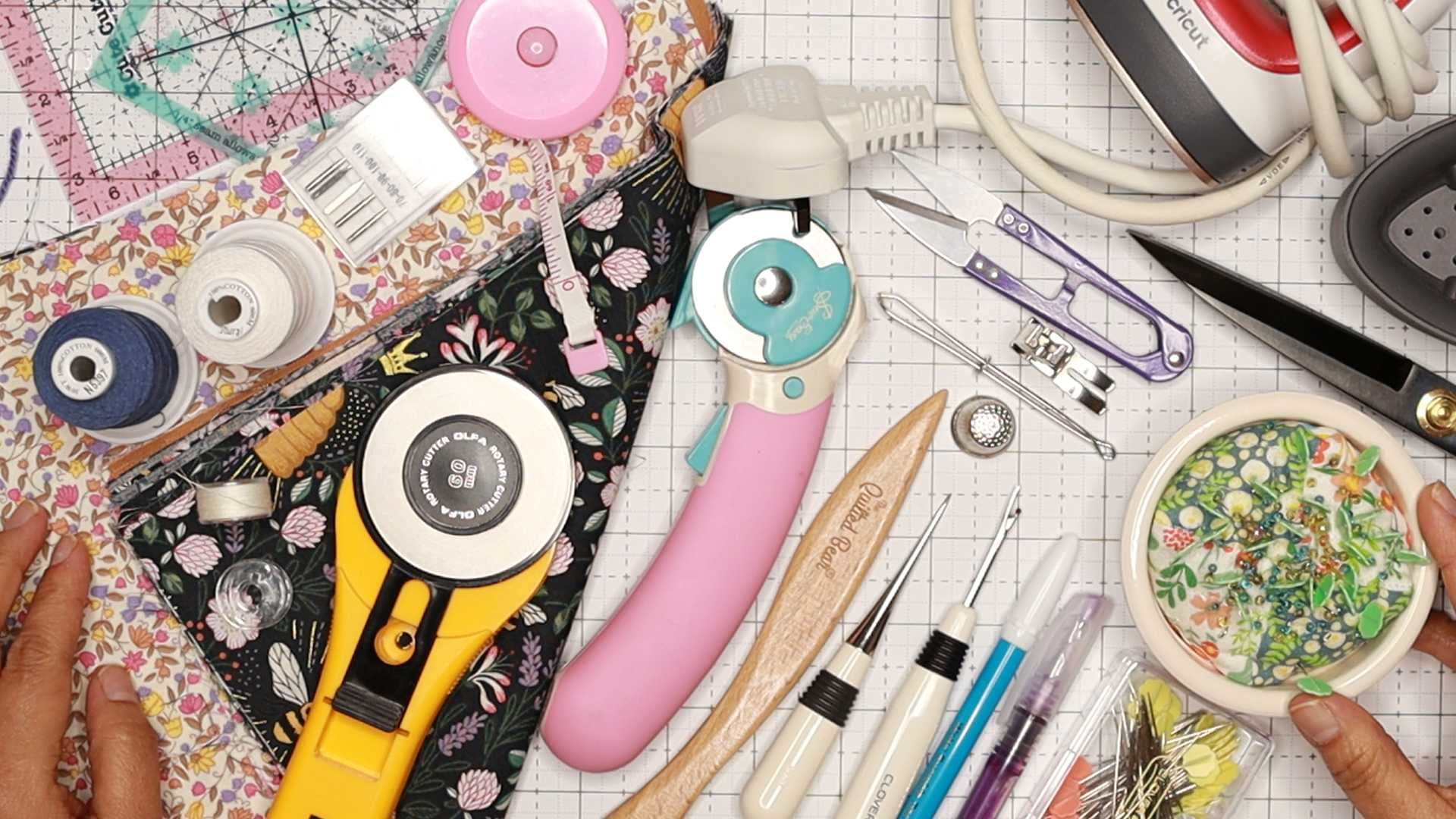
These are the core tools you’ll use again and again, no matter what you choose to sew.
Sewing machine (or needle for hand sewing)
A sewing machine makes projects faster and more consistent, but it doesn’t need to be expensive or complicated. A basic machine with a straight stitch and zigzag stitch is more than enough for beginners.
If you’re starting with hand sewing, a small selection of hand sewing needles in different sizes will work just fine.
Good quality thread
Thread plays a bigger role than many beginners realise. Poor-quality thread can break, shed lint, and cause tension issues.
Choose a reliable all-purpose polyester or cotton thread in neutral colours to start.
Fabric scissors or rotary cutter
A dedicated pair of fabric scissors is essential. Never use them on paper, as this will dull the blades quickly.
Alternatively, a rotary cutter paired with a cutting mat offers accuracy and speed, especially for straight cuts and quilting.
Measuring tools
Accurate measuring leads to better results. The most useful measuring tools include:
- Tape measure
- Clear quilting ruler
- Small seam gauge
Pins or clips
Pins hold fabric pieces in place while sewing. Fine glass-head pins are a popular choice, while fabric clips work well for thicker materials and are finger-friendly.
Iron and ironing surface
Pressing is just as important as sewing. An iron helps set stitches, flatten seams, and improve accuracy at every stage.
A basic ironing board or heat-safe mat is sufficient to begin with.
Helpful tools you can add later
Once you’re comfortable with the basics, these tools can make sewing easier and more enjoyable—but they aren’t essential on day one.
- Seam ripper (you will need it eventually)
- Tailor’s chalk or fabric marking pen
- Quarter inch presser foot
- Cutting mat and rotary cutter set
Tools beginners don’t need straight away
It’s easy to overspend when starting out. Many specialised tools are designed for specific techniques or advanced projects.
Before investing, ask yourself whether the tool solves a problem you’re already experiencing. If not, it can usually wait.
Start simple and build confidence
Sewing is a skill built through practice, not equipment. A small, thoughtful set of tools will take you further than a drawer full of unused gadgets.
As your confidence grows, you’ll naturally discover which tools suit your style and projects best. Starting simple keeps the journey enjoyable, affordable, and far less intimidating.